


Company Profile
Relying on the advantages of independent production and processing, as well as the accumulated years of experience in the field of industrial control touch control equipment exploration,we have established a complete industrial control computer,industrial grade panel PC, fanless industrial control machine and other professional product lines, and have a number of product patents and software Copyrights.
In the future development, Kongxian technology will continue to adhere to the professional technology research and development ability and solution ability,to provide customers in various fields with better quality industrial control products, to help the development and take-off of customers.
Why choose us?
Professional team
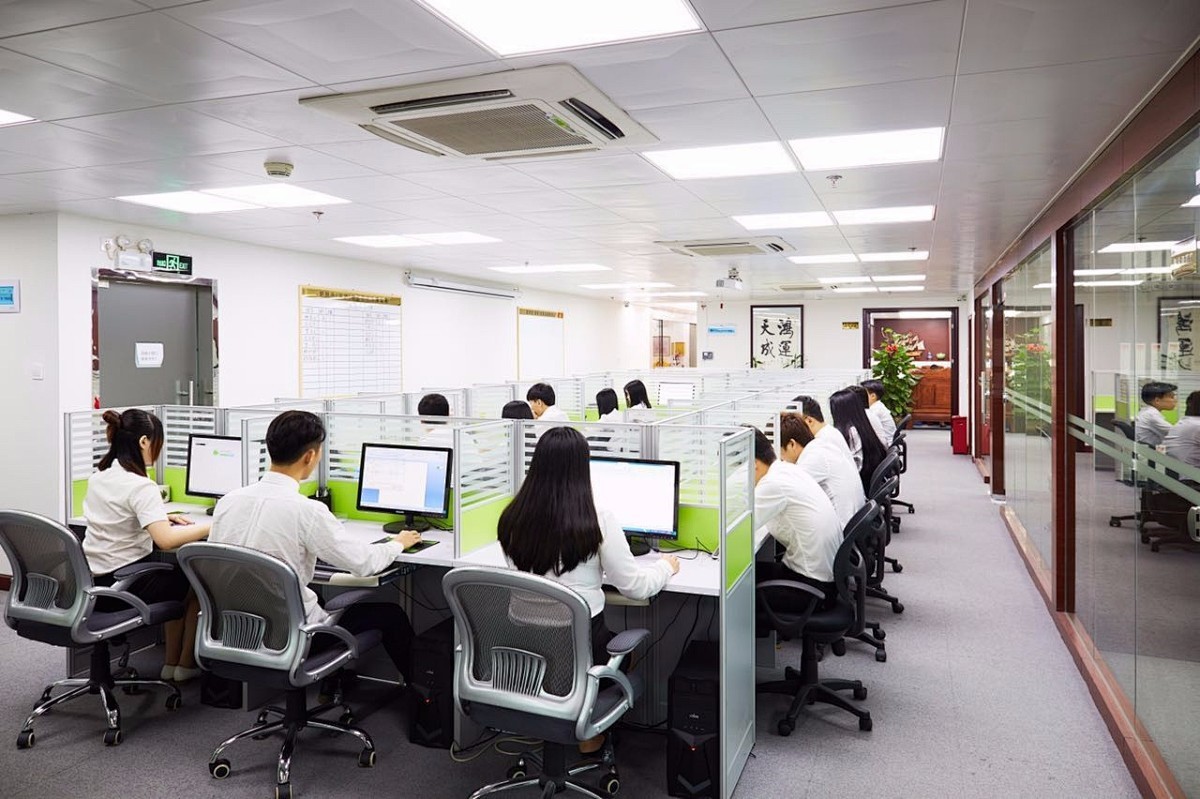
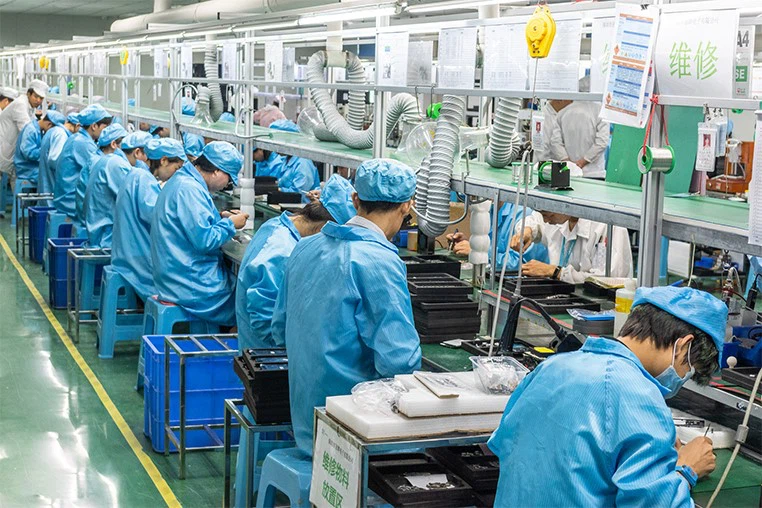
The company has more than 300 employees, professional and technical team more than 50 people, and has intelligent flow workshop, advanced testing instruments and other equipment.
Rich experience
Relying on the advantages of independent production and processing, as well as the accumulated years of experience in the field of industrial control touch control equipment exploration,we have established a complete industrial control computer,industrial grade panel PC, fanless industrial control machine and other professional product lines, and have a number of product patents and software Copyrights.
High quality
In the future development, Kongxian technology will continue to adhere to the professional technology research and development ability and solution ability,to provide customers in various fields with better quality industrial control products, to help the development and take-off of customers.
Product application
Our products are widely used in industries such as industrial automation, commercial intelligent terminals, CNC machine tools, instrumentation, rail transit, power, and security etc.
Related Product
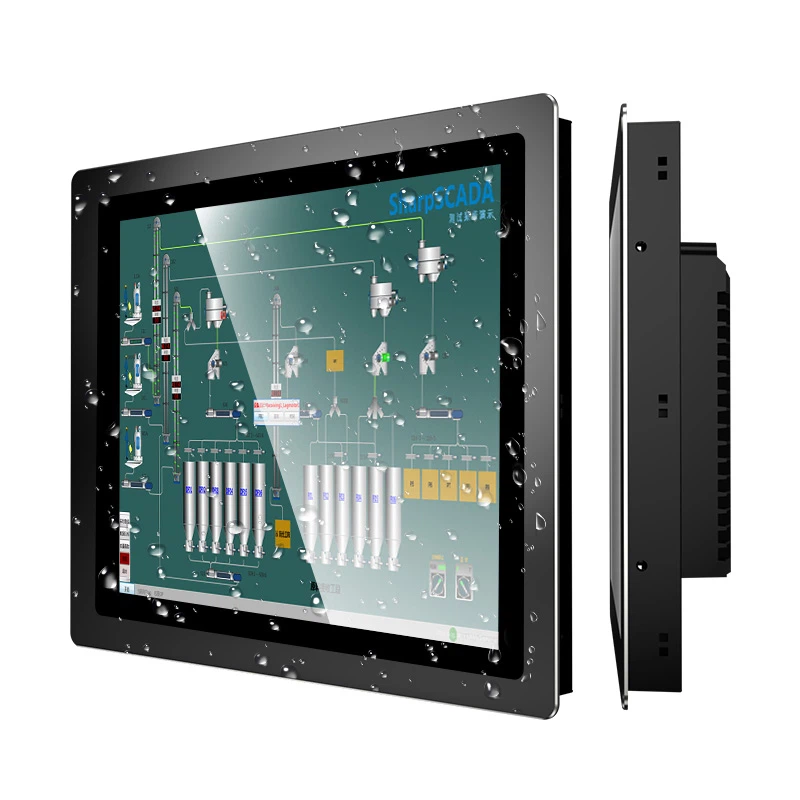
Industrial Touch Screen Monitor
15-inch industrial touch screen display, featuring a 3mm front panel suitable for embedded installation. It offers a choice between capacitive and resistive touch technology, ensuring highly sensitive touch response. Comes with default HDMI/VGA/DVI interfaces.
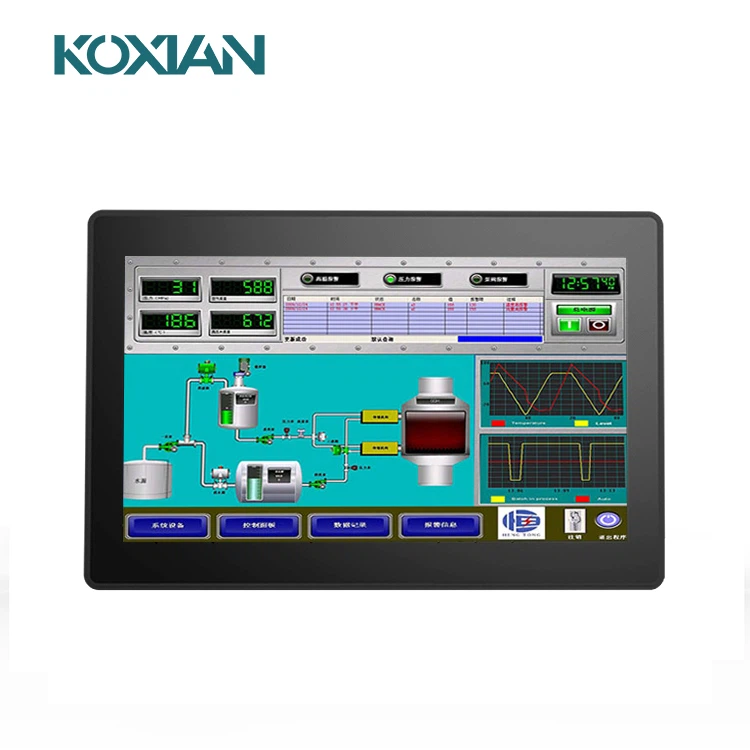
Industrial Resistive Touch Screen Monitor
Our 13.3-inch industrial monitor is equipped with an industrial-grade display driver board, ensuring long-term standby and stable operation. The screen boasts crisp image quality with a high resolution of 1920x1080.
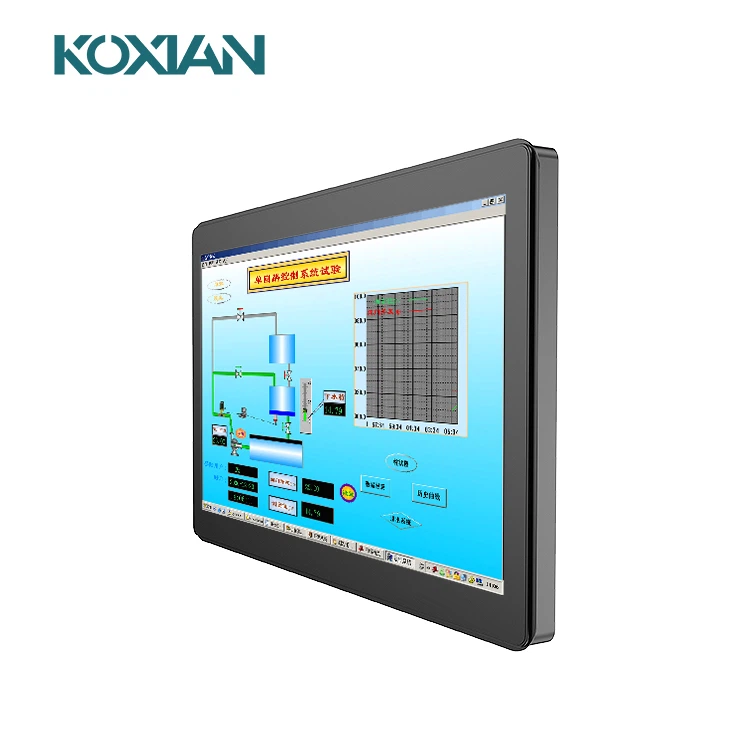
This 15.6-inch industrial touch display is suitable for internal embedded panel installation, featuring IP65 dustproof and waterproof capabilities, clear image quality, support for upgraded high brightness, and a variety of display output interfaces.
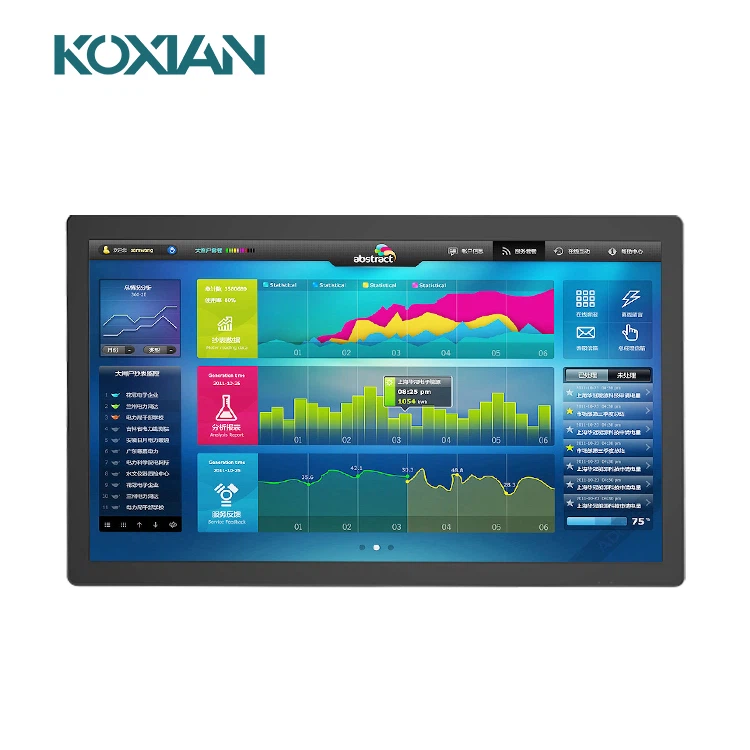
Industrial Wall Mounted Monitor
21.5-inch Industrial Touch Display featuring IP65 dust- and water-proof rating, pure flat design, responsive touch sensitivity, equipped with HDMI/VGA/DVI interfaces, and an industrial-grade driver board for stable operation.
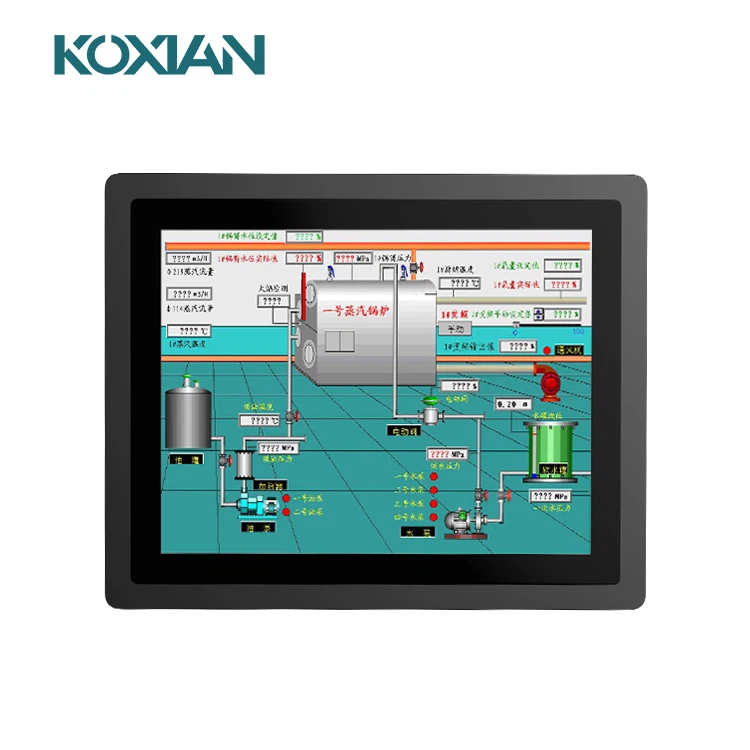
Industrial Capacitive Touch Screen Monitor
This 15-inch industrial touchscreen display boasts a 3mm slim front panel, perfectly suited for seamless embedded installation. It provides versatility by offering a selection between capacitive and resistive touch technologies, ensuring a superbly responsive and highly sensitive touch experience.
What is Industrial Capacitive Touch Screen Monitor
Capacitive touch screens are built with a thin layer of conductive material, such as copper or Indium Tin Oxide (ITO), printed onto the underside of the display's insulating outer layer. When a finger touches the screen, a small electrical charge is drawn to the point of contact, which effectively becomes a functioning capacitor. The resulting change in the electrostatic field is then measured to pinpoint where the contact took place.
Benefits of Industrial Capacitive Touch Screen Monitor
No need to press the capacitive touch panel to generate a signal
The working principle of the capacitive touch panel is to use the capacitance of the human body and touch to generate a current. Then you can make the touch screen work. It is not like a resistive touch screen that requires a hard press to touch the screen. So you only need to touch the capacitive touch screen lightly, and the signal can be generated without pressing.
Automatic calibration
You only need to install a capacitive touch screen, it can automatically recognize the system and then automatically calibrate. The resistive touch process requires routine corrections. So if you are using a capacitive touch panel, you do not need to ask the manufacturer for calibration information. Because it can be calibrated automatically.
The capacitive touch panel has a long life
Because the components in the capacitive touch screen do not need to move. Therefore, the life of the capacitor solution is longer. In resistive touch screens, the upper ITO film needs to be thin enough to be flexible. It can be bent downward to make contact with the underlying ITO film.
Low light loss and system power consumption
Capacitive touch screen technology is superior to resistive technology in terms of light loss and system power consumption. So if you want low optical loss and system power consumption. capacitive touch screen is your best choice.
Choice of technology
The choice of capacitive technology or resistive technology mainly depends on the object of the touch screen. If the finger touches, the capacitive touch screen is a better choice. So if you need a stylus, whether it is plastic or metal. Resistive touch screens can do the job. The capacitive touch screen display can also use a stylus, but it needs a special stylus to match.
Many sizes
Surface-type capacitive touch screens can be used for large-size touch screens. The phase ratio is also low, but gesture recognition is not supported. Inductive capacitive type is mainly used for small and medium-sized touch screens, which can support gesture recognition.
Low maintenance cost
Capacitive touch screen technology has the advantages of wear resistance, long life, low maintenance cost, etc., which can further reduce the overall operating cost of manufacturers.
Support multi-touch
The capacitive touch screen supports multi-touch technology. Unlike resistive touch screens, it is slow and difficult to wear.
Types of Industrial Capacitive Touch Screen Monitor
Surface capacitive
Capacitive touch screens leverage the principle that nearby dielectric materials can affect capacitance in the circuit, allowing for the measurement of attributes without direct physical contact with the object. This approach is particularly useful in situations where touching the object is not possible. Essentially, a capacitive touch screen functions as a capacitor circuit that monitors and responds to changes in charge and discharge times. This technology has become the dominant form of touch screen, surpassing resistive technology in popularity. Current statistics indicate that capacitive technology is used in over 90% of all touch screens produced today. Surface capacitive technology is one specific type of capacitive touch screen. It operates on similar principles to other capacitive touch technologies, creating a consistent electric field and detecting touch input based on disruptions in this field. A surface capacitive touch screen has a top layer coated with a conductive material. When the screen is active, a voltage is applied to this conductive layer. When a finger touches or presses the screen, it draws some of the voltage, allowing the touch to be detected and registered.
Projective capacitive touch (PCT)
While resistive touch screens detect input by compressing an upper layer against a lower layer, capacitive touch screens operate by measuring changes in the electrical field, or capacitance. Capacitive touch screens are often preferred over resistive ones for smartphones and tablets due to their superior performance. A specific type of capacitive touch technology is projected capacitive touch, commonly known as PCT or PCAP. In these devices, a sheet of glass is embedded with intersecting rows and columns of conductive material. Depending on the manufacturer, this conductive grid can be created by etching patterns into a conductive layer or by layering two different conductive materials. The choice of method has minimal effect on device performance. Projected capacitive touch screens use this grid to distribute a consistent electrostatic charge across the rows and columns. The conductive material of the grid allows for the free movement of this charge, which is essential for detecting touch. Like traditional capacitive screens, projected capacitive screens detect touch by measuring distortions in the electrostatic field caused by the user's body. When a finger touches the screen, it alters the electrostatic field at the point of contact, and this change in capacitance is detected by the grid. The device can pinpoint the touch location by analyzing the distortions in the grid's rows and columns.
The capacitive touch panel sensor screen is a four-layer composite glass screen, the inner surface glass screen and the sandwich coated with a conductive layer layer, the outermost layer is a thin layer of the protective layer made of siliceous glass. When we touch the screen with the finger on the sensor screen, the electric field of the body and the touch screen and the surface of the touch screen to form a coupling capacitor, for high-frequency current, the capacitor is a direct conductor, so the fingers from the aspiration contact point a small current. This current flows out of the electrodes at the four corners of the touch screen, and the current flowing through the four electrodes is proportional to the distance from the finger to the four corners. The controller calculates the position of the contact point by accurately calculating the four current ratios. It was only a few years ago when the only touchscreen devices I could find in consumer devices were those on tablets, smartphones, and stylus PDAs. At the time, touchscreens were too expensive to replace the exact and precise mouse or keyboard. Touchscreen technologies have been incorporated into a wide range of devices such as mobile phones, ATMs, GPS, televisions, and other modern devices. These types of screens are those that currently surround us. In fact, they are the screens of most current mobile phones. The operation is based on the fact that a fixed mass, which is the screen itself, is charged with electricity. This load is flat and static. However, when we press the screen, this electric charge changes, causing it to stop being flat and, in this way, thehis technology, so using your fingers to close an electrical circuit will make it extremely simple to accurately detect human contact area where pressure has been applied is detected.
Process of Industrial Capacitive Touch Screen Monitor
Glass sheet selection: The first step in touchscreen production is carefully selecting the appropriate liquid crystal display panel. Manufacturers consider factors such as transparency, durability, and thickness to ensure optimal performance of the thin film sensors. A smooth glass surface is essential for accurate touch detection without compromising the user experience.
Cover glass preparation: Once selected, the chosen glass sheet undergoes preparation to become a cover glass for a liquid crystal display (LCD). This involves cutting it into precise dimensions and applying special coatings, such as anti-glare coatings, to enhance its properties. These coatings reduce reflections and improve visibility even under bright lighting conditions. The surface of the glass is carefully treated to ensure optimal thin film deposition of the photoresist.
To transform the cover glass into a touchscreen, an etching process creates microscopic patterns on its surface. These patterns form electrodes that detect changes in capacitance when touched by a conductive object like our fingers. Subsequently, thin film layers of materials like photoresist and indium tin oxide (ITO) are deposited onto these patterns to establish conductivity and create sensors.
Lamination: The next step involves joining multiple layers, including a touchscreen sensor layer and a conductive coating, to form a complete touch sensor assembly. A transparent adhesive secures the sensing layer onto the cover glass while ensuring minimal interference with touch sensitivity.
Vacuum process: During lamination, ultrathin glass substrate and conductive coating are combined using vacuum technology to eliminate air bubbles between layers. This ensures seamless integration and enhances overall touchscreen performance by preventing any disruptions or irregularities caused by trapped air. The functional coating is also applied using a thin film technique.
Testing and calibration: After lamination, each touchscreen sensor with an ultrathin glass substrate undergoes rigorous testing and calibration processes using a glass sheet and photoresist. This ensures accurate touch detection and responsiveness across the entire surface area, making it ready for use in smartphones, tablets, or interactive displays.
Final inspection: In the final stage of manufacturing, touch sensors with a functional coating undergo a comprehensive inspection to ensure adherence to quality standards. This includes examining the surface of the sensor for any defects, such as dead spots or inaccurate touch recognition. Only sensors with the appropriate photoresist thickness passing these stringent inspections proceed to be integrated into devices.
How to Maintain Industrial Capacitive Touch Screen Monitor
Capacitive touch screen technology, which relies on the electrical properties of human skin to detect input from the finger, has gained popularity in consumer electronics, industrial applications, and medical devices. These touch screens use capacitive panels to sense the finger's electrical properties. These screens are known for their durability and reliability. However, proper maintenance of your capacitive touch screen device is crucial to ensure long-term performance and avoid issues with the finger. In this article, we will discuss some best practices for maintaining the capacitance and surface of your capacitive touch screen device, including the resistive film and capacitor. One important factor to consider is the touch sensitivity of the screen, which is affected by the conductivity of your finger. By keeping your finger clean and dry, you can ensure optimal performance. Additionally, regularly cleaning the surface of the screen with a soft cloth can help prevent any buildup or residue that may interfere with its functionality. Following these simple steps will help you maintain a smooth and responsive touch experience on your device.
The first step in caring for your capacitive touch screen is understanding its differences from resistive touch screens. When using a capacitive touch screen, it is important to remember that it responds to the electrical charge from your finger. Unlike resistive models which require pressure to activate them, capacitance-based systems respond only when touched by an object with an electric charge like a finger or stylus tip. Furthermore, multi-touch capabilities enable users to perform multiple inputs simultaneously such as pinch zoom and rotate gestures on smartphones and tablets that use this type of technology. Industrial grade versions of capacitive touch panels can also be used in more rugged environments where dust particles may interfere with the regular operation of capacitance touch screens due to their higher level of durability compared to consumer grade models.
Finally, it's important that you keep your device with resistive screens and capacitive touch panels clean if you want it running optimally over time; dirt build up can cause decreased sensitivity as well as inaccurate responses during use so frequent cleaning should be done using a soft cloth dampened with water (or mild detergent) followed by drying off any remaining moisture afterwards before reusing the device again. For professional installations of capacitive touch panels, make sure all connectors for cap touch are seated properly prior to powering up the computer system. Otherwise, permanent damage may occur if left unchecked, especially for capacitance touch screens. By following these simple steps, you'll help ensure that your capacitance touchscreen remains working at optimal levels throughout its lifetime.
Certifications

Our Factory
Focusing on industrial touch products and integrating R&D, manufacturing and sales.In the future development, Kongxian technology will continue to adhere to the professional technology research and development ability and solution ability,to provide customers in various fields with better quality industrial control products, to help the development and take-off of customers.


FAQ
Hot Tags: industrial capacitive touch screen monitor, China industrial capacitive touch screen monitor manufacturers, suppliers, factory, Integrated Wall Industrial Screen, industrial touch monitor with sunlight readable, industrial filter monitor, industrial transformer monitor, industrial touch monitor for particle detection, industrial touch monitor for hvac systems


